
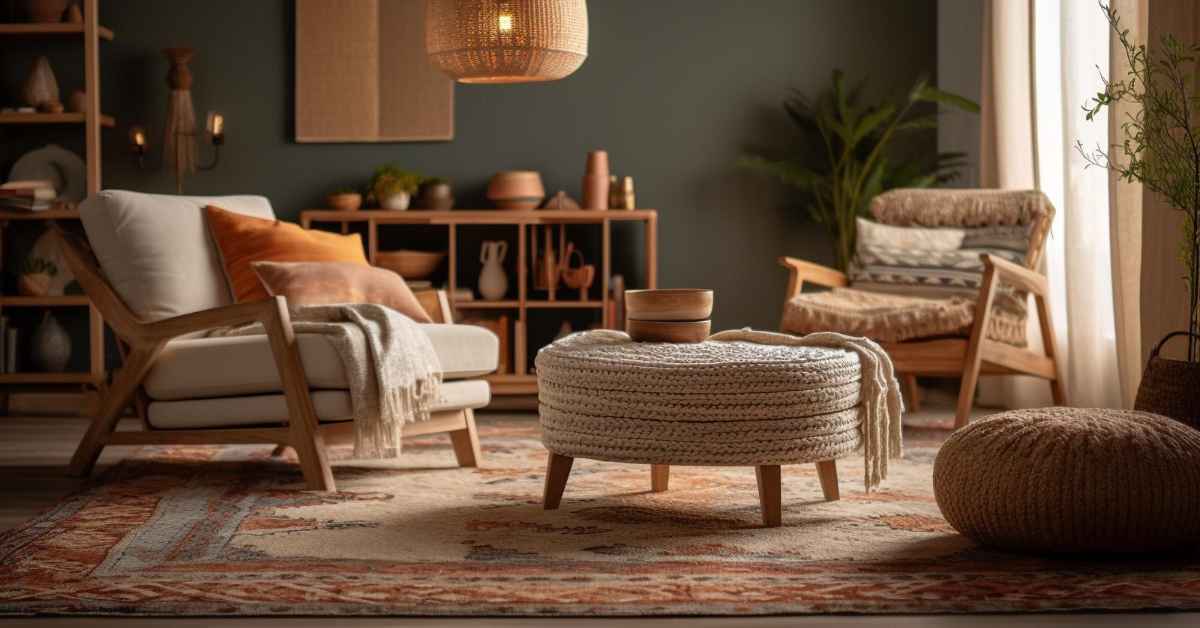
When decorating a home, color often becomes the first thing we think about. But a room can feel interesting without relying on bold shades or dramatic patterns. Layering texture offers another way to bring depth, warmth, and personality into a space. It works particularly well when you love neutral home decor and prefer a calm, understated atmosphere.
Think about a linen cushion beside a knitted throw. Place a smooth ceramic vase on a rough wooden table. Add a soft rug beneath a structured sofa. These small differences create visual interest without changing the color palette. This is the beauty of layering textures in home decor.
Why Layering Texture Can Transform a Neutral Room
Texture in interior design is not simply about how something feels when you touch it. It also changes how a room looks and feels visually. Rough, smooth, soft, woven, and natural surfaces can create contrast even when everything follows the same color family.
A neutral room can easily become flat when every surface has the same finish. Adding different materials gives the eye more to explore. A warm wooden table, a boucle chair, a woven basket, and linen curtains can all work together without introducing another color.
This approach also suits monochromatic interior design. Instead of depending on different colors, you can use different materials to separate one element from another.
For a successful monochromatic home decor scheme, start with one main color family. Then introduce several materials within that palette. Cream linen, ivory ceramic, pale wood, and textured cotton can create plenty of variety.
| Material | Where to Use It | Effect |
| Linen | Curtains and cushions | Relaxed and soft |
| Wood | Tables and cabinets | Warm and natural |
| Boucle | Chairs and stools | Soft and inviting |
| Rattan | Baskets and furniture | Organic and casual |
| Wool | Rugs and throws | Cozy and tactile |
| Ceramic | Vases and accessories | Smooth and refined |
Start With the Larger Surfaces

When layering texture, begin with the largest elements in the room. These create the foundation for everything that follows.
A sofa, rug, curtains, flooring, and walls usually take up the most visual space. Once these elements feel balanced, you can bring in smaller details.
For neutral interior design, natural materials make an excellent starting point. Natural textures in interior design can include wood, linen, jute, rattan, wool, stone, and cotton. They bring subtle variation without making the room feel busy.
If you enjoy minimalist home decor, resist the temptation to add too many materials at once. Choose a few strong textures and repeat them around the room. This creates a sense of connection while keeping the space clean.
Try these combinations:
- Pair linen cushions with a chunky knitted throw.
- Place a woven rug beneath smooth furniture.
- Combine wooden furniture with matte ceramic accessories.
- Add a rattan basket beside a fabric sofa.
These simple combinations can create cozy neutral interiors without making the room feel overly decorated.
Let Walls and Furniture Add Character
Walls can play a much bigger role in a textured room than many people expect. Paint is not the only way to create an interesting backdrop. Textured walls can introduce subtle depth through plaster finishes, paneling, limewash effects, or understated wallpaper.
You can then keep the furniture relatively simple. Textured furniture can become a focal point without needing a strong color. Think of a boucle armchair, a ribbed cabinet, a woven bench, or a wooden table with a natural grain.
This idea works particularly well with minimalist interior design. Instead of filling a room with decorative objects, allow the materials themselves to create visual interest.
For neutral living room ideas, begin with a comfortable sofa and a textured rug. Add cushions in different fabrics and finish with one or two natural accessories. You can create a welcoming space without overcrowding it.
Create Contrast Within One Color Family
Monochrome interior design ideas often focus on keeping everything within a single palette. However, a monochromatic room does not need to look repetitive.
The easiest way to create variety is through tone and texture. Combine warm beige with cream, ivory, taupe, or soft brown. Then introduce different finishes across furniture and accessories.
This is where tone on tone interior design becomes useful. Instead of creating contrast through color, you create it through subtle shifts in shade and material.
For example, imagine a cream sofa with linen cushions, a wool rug, a pale oak coffee table, and a stone vase. Nothing looks dramatically different in color, yet every element has its own character.
That balance is also what makes monochrome decor feel comfortable rather than stark.
Bring in Natural Materials

Natural materials can make a neutral space feel warmer and more personal. They also work beautifully with organic modern interior design.
Wood brings warmth through its grain. Rattan adds a woven quality. Linen introduces softness, while stone gives the room a grounded feel. These materials do not need to match perfectly.
In fact, small imperfections can make a room feel more authentic.
Try combining a smooth wooden surface with a woven basket. Add linen curtains beside a textured wall. Place a ceramic lamp on a natural wood side table. These combinations make layered home decor feel relaxed rather than overly styled.
This approach also supports tactile interior design. The room becomes interesting not only because of what you see, but because of the different surfaces you imagine touching.
Keep the Balance Simple
Layering texture does not mean filling every corner with something tactile. Too much texture can make a room feel crowded.
Instead, give each material enough space to stand out. A heavily textured rug can sit beneath simple furniture. A woven chair can work beside a smooth table. A textured wall can become the backdrop for clean-lined accessories.
This balance is especially important when creating minimalist decor. Simplicity should remain part of the overall design.
The goal is not perfection. A home should still feel comfortable, practical, and lived in.
FAQ
What Is Layering in Interior Design?
Layering in interior design means combining different elements to create depth and visual interest. These elements can include furniture, lighting, fabrics, materials, finishes, and accessories.
When you focus on layering texture, the differences between materials become the main source of contrast.
What Is the Principle of Layering?
The principle of layering involves building a room gradually. Start with the basic structure, then introduce furniture, textiles, lighting, and accessories.
Each layer should complement what comes before it. This prevents the room from feeling random or overcrowded.
What Are 5 Examples of Texture?
Five simple examples include linen, wool, wood, rattan, and stone. You can also explore cotton, ceramic, jute, boucle, and woven materials.
Layering texture becomes easier when you start noticing how different surfaces interact with one another.
What Is the Layering Technique?
The layering technique involves combining materials, finishes, patterns, and shapes to create depth. Start with larger surfaces before adding smaller details.
Layering texture works particularly well when the overall color palette remains simple.
What Is Layered Architecture?
Layered architecture uses different forms, materials, spaces, and structural elements to create depth. Interior spaces can take inspiration from this idea through overlapping materials and visual layers.
The same thinking can make Layered Decor feel more intentional. Each element contributes something without competing with the others.
Let Texture Do the Decorating

A room does not need bright colors to feel warm, interesting, or complete. Layering texture allows materials to take the lead while the color palette remains calm.
Whether you prefer Neutral Decor, Monochrome Decor, Minimalist Decor, or a more organic style, texture can give your space a stronger sense of character.
Start small. Change your cushions, add a woven basket, introduce a textured rug, or bring in a piece of natural wood. Notice how these small changes affect the room.
The best interiors often come from simple choices that work well together. Texture gives those choices another layer of personality.
Explore more ways to bring warmth, character, and thoughtful design into your space at HomeLoft


